




Care Guide: How To Care For A Leather Sofa
Leather sofas are a classic addition to any home. They add style and elegance to any living room. However, they require proper care and maintenance to keep them looking their best. So, learning how to care for a leather sofa is crucial to protect your investment.
In this guide, we will provide you with valuable tips on caring for your new leather sofa so that it stays in top condition for years to come.
How to Care for a Leather Sofa - Key Things to Know:
- Identify your sofa’s leather type: pigmented, semi-aniline, or aniline. Each requires different cleaning methods and levels of protection.
- Maintain your sofa with weekly dusting and monthly wipe-downs to prevent dirt build-up and preserve the finish.
- Deep clean and condition every 6–12 months using specialist leather products to prevent drying, cracking, and loss of colour.
- Act quickly on spills and stains—blot rather than rub—and use appropriate techniques for liquids, oils, and ink.
- Protect your sofa from sunlight, heat sources, and everyday wear, and avoid common mistakes like harsh cleaners or excessive moisture.
Understanding Your Sofa's Leather Type
Not all leather sofas are made equal, and the first step in effectively caring for your living room furniture is knowing which type of leather you're working with.
Here are the three most common types:
Pigmented (Protected) Leather:
Pigmented leather is the most common and durable type of leather used for sofas. It features a uniform colour and a thick protective topcoat, making it not only visually appealing but also practical for everyday use.
This leather type is the easiest to clean, as it can handle a mild soap and water solution without damage.
It's an ideal choice for busy family homes or high-traffic areas, where spills and wear are more likely to occur. Its resilient nature ensures it maintains its appearance and functionality for years to come.
Aniline Leather (Natural/Unprotected):
Aniline leather is the softest type of leather, renowned for its luxurious feel and natural appearance.
Unlike protected leathers, it’s highly absorbent, making it more susceptible to staining and fading over time.
Care must be taken to avoid exposing it to water, harsh cleaning agents, or excessive rubbing, as this can damage its delicate surface.
To maintain its beauty and longevity, specialised cleaning products specifically designed for aniline leather are essential.
Semi-Aniline Leather:
Semi-aniline leather strikes the perfect balance between softness and durability, making it an excellent middle-ground choice. It retains much of the natural look and feel of aniline leather, but with the added benefit of a light protective coating.
This coating enhances its resistance to stains and fading, making it more forgiving than pure aniline leather.
However, it still requires gentle care and regular conditioning to preserve its supple texture and elegant appearance. Semi-aniline leather is ideal for those who desire the luxury of natural leather with improved practicality for everyday use.
Make sure you get the right sofa for your needs and avoid making these common mistakes when buying living room seating.
Preventative Maintenance: The Weekly & Monthly Routine
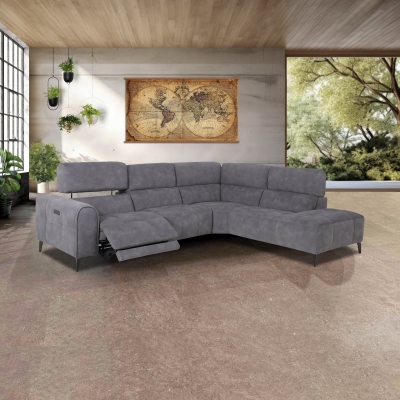
The most effective way to clean and maintain your leather furniture is to engage in preventative maintenance through weekly and monthly cleaning routines.
Not only does this keep your leather looking its best, but it also means you can spot any damage or wear earlier before it becomes a big problem.
Here's what we suggest for maintaining your leather:
The Weekly Dusting/Cleaning:
Every week, you should gently dust the entire surface of your leather sofa using a soft, lint-free cloth. This helps maintain its natural finish and prevents the build-up of dirt and debris.
Pay special attention to the crevices in the sofa where dust and crumbs often collect. Use a vacuum cleaner with a soft brush attachment to remove crumbs and grit from seams, folds, and under cushions.
Regular weekly cleaning ensures your leather sofa stays in excellent condition and prolongs its lifespan.
The Monthly Wipe-Down:
Over time, body oils, sweat, and light dirt can accumulate on the surface of your leather sofa, potentially breaking down its finish if not addressed. To prevent this, a monthly clean is essential.
Using a slightly dampened microfibre cloth, gently wipe the entire surface of the leather, ensuring you reach all areas. Be sure to use distilled water, as the minerals in regular tap water may harm the leather's finish.
Once wiped, immediately dry the surface with a second clean, dry cloth to prevent any moisture from lingering.
This practice helps maintain the leather's integrity and keeps your sofa looking its best for years to come.
Deep Cleaning and Conditioning (Every 6-12 Months)
Every so often, you should engage in a more intense cleaning and conditioning routine on top of your regular cleaning. This will help keep your leather vibrant and supple to reduce the risk of cracking or tearing.
Choosing the Right Product:
When caring for leather, it is crucial to avoid using harsh chemicals such as bleach or ammonia, as these can strip away the natural oils and damage the leather's finish.
Similarly, products like alcohol, wet wipes, furniture polish, or abrasive cleaners should never be used, as they can cause discolouration, cracking, or surface degradation.
Instead, always opt for pH-neutral, specialised leather cleaners and conditioners or protectants.
These products are specifically designed to gently clean and nourish leather without compromising its integrity, ensuring it remains supple and beautiful for years to come.
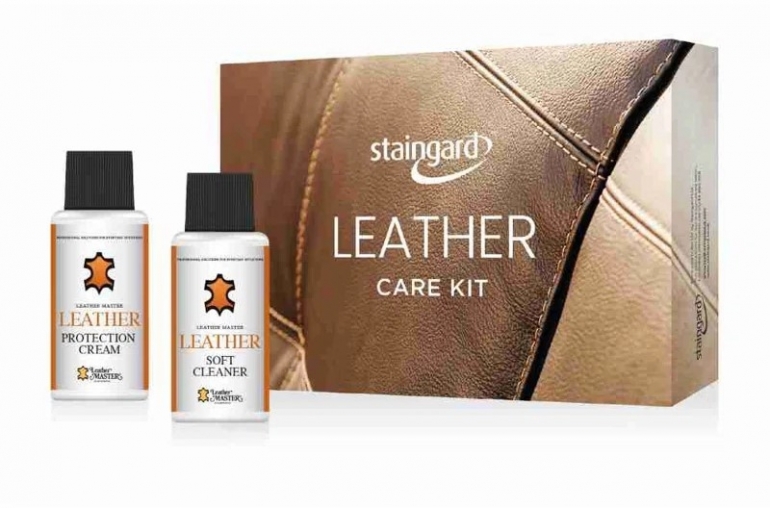
At Fairway Furniture, we stock a range of product care kits* to help you keep your new sofa looking brand spanking new for as long as possible.
Our leather care kit includes:
- leather protection cream 250ml,
- Leather soft,
- Cleaner 250ml,
- Specialist sponges and cloths
*Please note that our furniture care kits are only available to purchase in our South West stores.
The Cleaning Process (2-Step Approach):
- Clean: Apply the specialised cleaner to a clean cloth, not directly to the sofa. Work in small sections using gentle circular motions.
- Dry/Buff: Wipe away excess cleaner with a dry cloth and allow the leather to air dry naturally.
The Conditioning/Protection Process:
Conditioning your leather is essential to maintain its quality and longevity. Ideally, you should condition your leather every 6-12 months.
However, if you have Aniline leather, which is more delicate and prone to drying out, or if you live in a dry climate, you may need to condition more frequently, around every 3-6 months.
How to Condition Leather:
- Start by selecting a high-quality leather conditioner specifically designed for your type of leather. Avoid all-purpose products, as they can damage or discolor leather. Clean the leather surface first to remove any dirt or debris using a soft, damp cloth or a leather-specific cleaner.
- Then, apply a small amount of conditioner to a clean, soft cloth. Gently massage the conditioner into the leather in small, circular motions, paying extra attention to high-contact areas like seats, armrests, or any spots that are prone to wear and tear.
- Once applied, let the leather absorb the conditioner for several minutes before buffing it lightly with a dry cloth to remove any excess product.
Why Conditioning is Important:
Conditioning leather helps it retain its natural oils, which keep it soft, supple, and resilient. Without these oils, leather can become dry, brittle, and prone to cracking.
Regular conditioning also creates a protective barrier against spills, stains, and environmental factors like UV rays that can fade and damage the material over time.
Immediate Action: How to Treat Spills and Stains
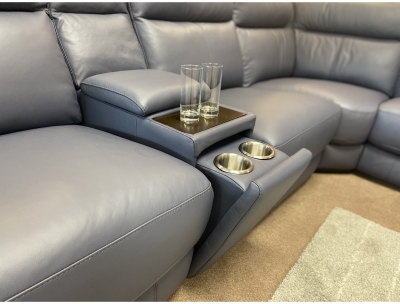
Whether you have a busy family home or a smaller household, spills and stains are part of life, but you need to know how to stop them from becoming ingrained in your sofa.
The Golden Rules: Act immediately! Blot, Don't Rub!
Liquid Spills (Water, Juice):
Blot the spill immediately using a clean, dry, absorbent, white cloth or a paper towel, such as kitchen roll. Avoid rubbing the spill, as this can spread the liquid further and potentially damage the leather.
Once most of the liquid has been absorbed, use a cloth slightly dampened with distilled water to gently dab at the remaining stain. This helps lift any residue without introducing harmful minerals or chemicals.
After treating the area, allow it to air dry naturally, away from direct heat or sunlight, to prevent further damage.
Grease/Oil Stains (Butter, Lotion):
Stains caused by grease or oil, such as butter, require a vastly different approach than liquid spills to avoid permanently damaging your leather sofa.
Follow this process to avoid grease stains:
- Start by wiping off any excess grease or oil from the leather surface using a clean, dry cloth, ensuring not to rub the stain further into the material.
- Next, sprinkle a thin, even layer of an absorbent powder, such as cornstarch or baking soda, directly onto the stain.
- Allow the powder to sit undisturbed for several hours or, for the best results, leave it overnight so it can fully absorb the oil.
- Gently brush the powder away with a soft brush or use a vacuum with a brush attachment to remove any remaining residue.
- Repeat the process if necessary for stubborn stains.
Ink Stains:
If you have budding writers or artists in your home, you need to know how to treat ink stains effectively to keep your sofa looking nice.
To remove ink stains from leather, use a cotton swab dipped sparingly in rubbing alcohol.
It's important to test the rubbing alcohol on an inconspicuous area of the leather first, as it can strip colour if applied too harshly or in excess.
Once tested, carefully apply the rubbing alcohol only to the ink stain, being gentle to avoid further damage to the leather's surface.
Environmental Protection and Placement

When it comes to protecting and maintaining your leather sofa, there are several risks to keep in mind, including direct sunlight, heat sources, and physical wear and tear.
- Prolonged exposure to direct sunlight can cause the leather to fade and dry out, leading to cracks and a loss of its natural lustre.
To avoid this, make sure to place your sofa in an area away from windows that receive intense sunlight or use curtains and blinds to minimise UV exposure.
- Placing your leather sofa near heat sources such as radiators, fireplaces, or heating vents can accelerate drying and cause the leather to stiffen or crack over time.
It's best to position your sofa at least several feet away from these sources of heat to maintain the leather's elasticity and smooth texture.
- Physical wear and tear, including scratches, scuffs, and sagging, can also affect the appearance and durability of your sofa.
To reduce this risk, avoid sitting on the sofa with sharp objects, keep pets' claws trimmed, and rotate seat cushions regularly to distribute wear evenly.
By taking these precautions, you can extend the lifespan of your leather sofa and ensure it remains in excellent condition for years to come.
Common Mistakes That Damage Leather Sofas
Here are some common mistakes to avoid to keep your leather sofa looking and feeling supple:
- Using multipurpose household cleaners (they strip natural oils).
- Scrubbing or rubbing aggressively (damages the finish, especially on aniline).
- Using colored cloths (dye transfer is common).
- Soaking the leather with excessive water.
- Using heat (like a hairdryer) to dry a wet spot (causes cracking).
- Ignoring the manufacturer's care tag
Is It Worth Paying For A Furniture Care Plan?
Furniture care plans can sometimes feel a bit like extended warranties, but in some cases, they can be worth the investment.
If you're investing in a high-quality leather sofa, it's wise to consider purchasing a care plan to protect your investment.
These plans often cover things like accidental damage, stains, and overall maintenance of your furniture.
However, it's important to carefully read the terms and conditions of any care plan before making a decision. Some plans may exclude certain types of damage or have limitations on coverage.
At Fairway Furniture, we offer a comprehensive Protect and Care Plan that covers your new furniture for 5 years, so you can enjoy your new leather sofa knowing any spills, scratches, or accidental damage will be taken care of.
From just £13 per year, our Protect & Care Plan covers:
- Stains - wine, tea, ink, foodstuffs, oils etc.
- Accidental Damage - rips, tears, burns
- Structure - any structural fault is covered
Final Thoughts: Care For Your Leather Sofa Properly
Your leather sofa gets better with age if you respect its needs and give it proper care.
Avoid using harsh chemicals or abrasive methods to clean it. Instead, use a soft, damp cloth to gently wipe away any spills or dirt. Regularly conditioning the leather with a specialised leather conditioner will help maintain its natural oils and keep it supple.
Remember to follow the manufacturer's instructions for cleaning and maintenance, and your sofa will reward you with many years of comfort and style in your home.
Take care of your furniture so it can take care of you!
Find more furniture care tips and tricks on the Fairway Furniture blog, or reach out to our team if you have questions about a specific Fairway Furniture sofa.
FAQs