




Open-Plan Dining Room Layout Ideas For Flow & Function
Many modern family homes have some element of open-plan living, whether it's a kitchen-diner or a living room-diner, and getting the flow right can take some trial and error, but with our open-plan dining room layout ideas, you can take some of the guesswork out.
From maximising space to creating a cohesive design, these layout ideas will help you create a functional and inviting open-plan dining room.
Open-Plan Dining Room Layouts At A Glance:
- Position the dining table as a central anchor between the kitchen and living areas to create a natural focal point and improve flow in an open-plan layout.
- Use soft zoning techniques like sofas, console tables, rugs, or lighting to define dining and living areas without adding walls.
- Align a rectangular dining table parallel to a kitchen island or peninsula to create visual symmetry and a clean, modern layout.
- Make the most of small or awkward spaces with dining benches, compact tables, or breakfast nooks that maximise seating without overcrowding the room.
- Choose multi-functional furniture and keep clear walkways (around 90cm) to maintain comfort, storage access, and smooth movement through the space.
The Central Anchor Layout
The concept of the Central Anchor Layout revolves around positioning the dining table at the heart of the open space, effectively creating a visual and functional bridge between the kitchen and the lounge.
This layout works particularly well in large, symmetrical spaces, as it helps to divide the room into three distinct zones.
The dining table acts as a central focal point, encouraging interaction and flow between the areas while maintaining a balanced, harmonious design.
Central Anchor Dining Furniture Recommendations:
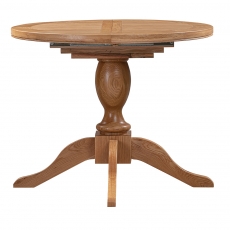
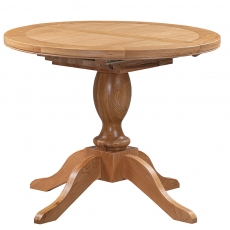
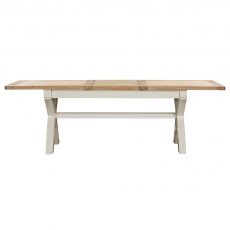
Pedestal tables, like the Cannock Extending Table, create an open, flowing feel thanks to their single central leg.
Unlike tables with four legs, a pedestal base takes up less space. This makes it easier to move around and creates an airy, uncluttered look.
This simple design not only looks good but also allows for more flexible seating, making it a great choice for both formal dinners and casual get-togethers.
Zoning with Soft Barriers
Zoning your open plan space with soft barriers is an effective way to create distinct areas while maintaining a harmonious flow.
The Sofa Back Strategy
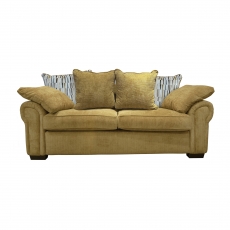
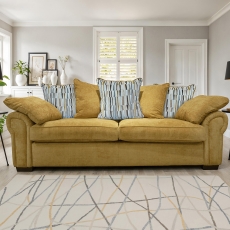
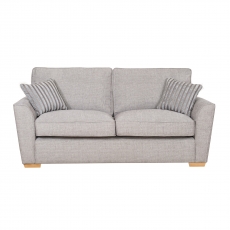
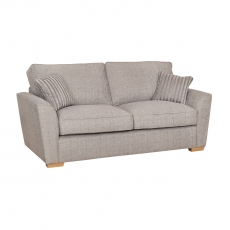

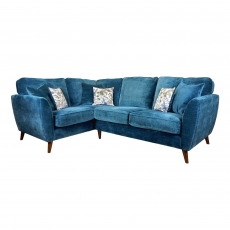
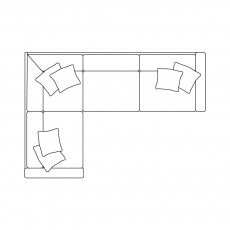
This is where the back of a sofa is used to physically define boundaries, subtly partitioning the dining area from the living area. Placing the sofa's back towards the dining space creates a clear, yet soft, visual barrier.
This arrangement effectively carves out a distinct zone for relaxation and entertainment without needing walls, maintaining an open and airy feel while still organising the space.
The Console Trick
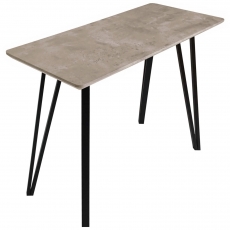
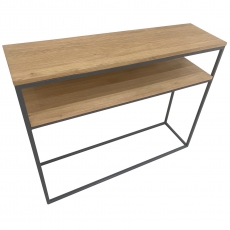

One effective method is to place a slim sideboard or console table between the living and dining spaces. This piece of furniture acts as a subtle, low-profile divider that defines the two areas without closing them off from each other.
More than just a separator, it offers valuable storage for dining essentials like placemats and cutlery, or can serve as a stylish surface to display decorative items like lamps, vases, or artwork, adding a personal touch to your home.
Visual Separation
Visual separation is a simple way to define spaces in your open-plan living space, and adding a well-placed floor covering is the best way to do this.
Place a large rug under your dining table to visually anchor the space. Make sure the rug is big enough to fit both the table and the chairs, even when they are pulled out.
This not only clearly defines the dining area but also introduces a layer of warmth, texture, and colour to the room.
The rug also serves a practical purpose by protecting your flooring from scratches and spills.
The Kitchen-Island Parallels
If you're a fan of neat, symmetrical layouts, positioning a rectangular family dining table parallel to your kitchen island or peninsula can create an aesthetically pleasing look.
This arrangement not only enhances the visual harmony of the space but also fosters a sense of connection between the work and eating zones.
The alignment gives the area a streamlined, chef's table feel, making it feel modern and purposeful while still keeping the two zones distinct and functional.
Rectangular Family Dining Table Recommendations:
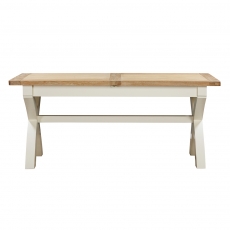

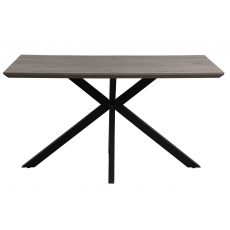
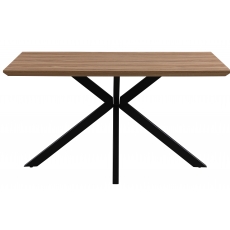
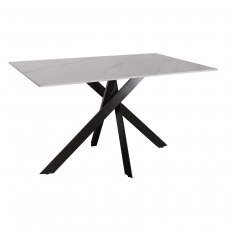
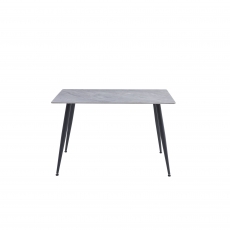
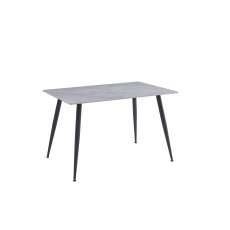

Dining benches are the perfect seating for this layout. They complement the clean look of a rectangular table and create a sense of order. Chairs can look cluttered and uneven, but benches offer a single, clean line that fits perfectly with the table.
This keeps the space feeling modern and organised while also offering more seating. A dining bench is a practical and stylish choice that improves both the look and use of your dining area.
Maximising Small or Awkward Spaces
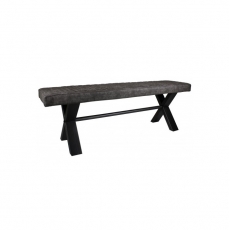
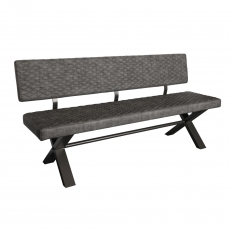
Not all homes have a large dining area. If you're working with a small or awkward space, you'll need to be creative.
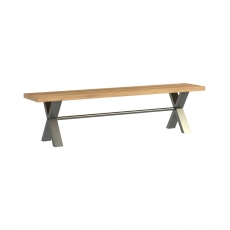
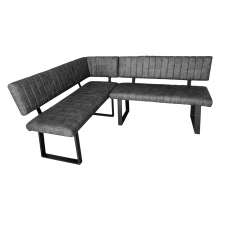
Dining benches are a great solution, especially for creating a cosy breakfast nook. Benches can offer more seating than chairs and make excellent use of corner spaces.
Likewise, small dining tables are perfect for alcoves or narrow areas, helping you make the most of your room without losing function.
Dual-Purpose Dining Areas
If you're working with limited space, creating a dual-purpose area can make a big difference. For example, a dining table can easily double as a home office desk. It serves as a productive workspace during the day and can be used for family meals in the evening.
To make the transition between work and home life easier, use smart storage solutions to keep everything organised.
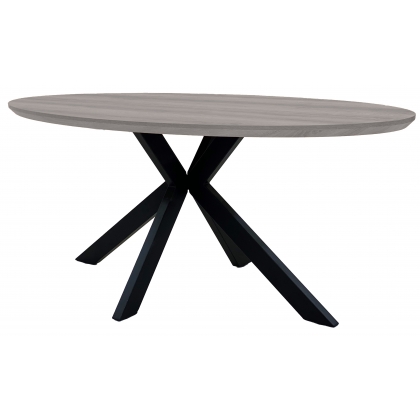
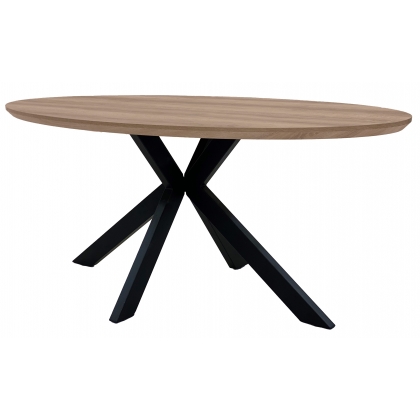
The 2026 "Moody & Sculptural" Trend
The 2026 trends for open-plan homes are steering away from the all-white minimalism of recent years and moving towards richer, deeper tones and bolder, more sculptural structures.
Darker wood tones, such as walnut and smoked oak, are gaining popularity, adding warmth and sophistication to interiors.
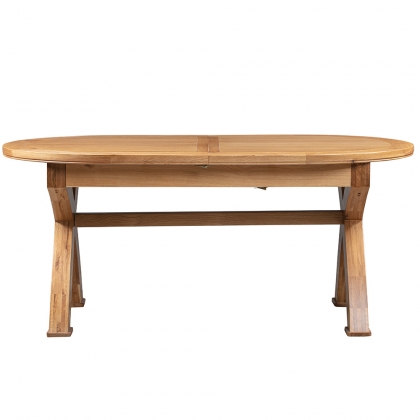
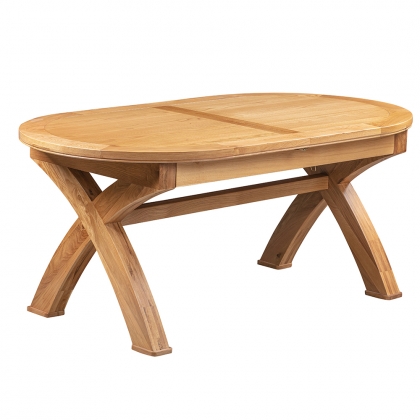
Furniture pieces with detailed, eye-catching leg designs are also becoming a key feature, creating an understated sense of artistry and craftsmanship.
Practical Planning Tips for Open Plan Dining Spaces
- Leave Adequate Walk-Around Space: Ensure there is at least 90cm of clear space around the dining table and chairs to allow for comfortable movement.
- Define Zones with Flooring: Use different flooring materials or rugs to visually distinguish the dining area from the rest of the space, creating a sense of purpose for each zone.
- Choose Dual-Purpose Furniture: Opt for furniture that can serve multiple functions, such as extendable dining tables or benches with storage, to maximise practicality in a shared space.
- Lighting Matters: Install a statement light fixture, such as a pendant lamp, directly above the table to anchor the dining area and define its boundaries.
- Keep Storage Nearby: Include a sideboard or shelving unit close to the dining space for easy access to dishes, glasses, or tableware without disrupting the flow of the room.
Conclusion: Create a Harmonious Open-Plan Dining Room
Open-plan living is about creating a harmonious space, not just an open one. By choosing the right furniture and using smart zoning techniques, you can create a room that feels both social and organised.
This approach will make your space feel inviting and work for any occasion.
Nail Your Open-Plan Dining Room With Fairway Furniture
At Fairway Furniture, we offer a wide selection of dining room furniture to help you create your perfect open-plan dining area.
Our collection includes stylish dining tables, comfortable chairs, and practical storage solutions that blend function with style. With our curated pieces, you can design a space that flows seamlessly, whether you're hosting dinner parties or enjoying everyday family meals.
Browse our full range of dining room furniture online today or visit one of our South West stores to see our selection in person.