





What is Broken-Plan Living? The Fairway Guide to Zoning Your Home
For years, knocking down walls was the way to renovate your living space, but as our homes have become offices, gyms, and even schools, this open-plan living arrangement highlights our lack of privacy. That's where broken-plan living comes into play.
Whether you're regretting your previous renovations or have moved into a new home with open-plan rooms, broken-plan living gives you the best of both worlds, keeping light and flow but adding much-needed structure.
If broken-plan living sounds like the answer to your interior design issues, let us tell you how you can achieve it in your home.
Broken-Plan Living At A Glance:
- Broken-plan living divides open spaces into functional zones using partial walls, furniture, shelving, or screens.
- It keeps the light and flow of open-plan layouts while adding privacy, structure, and noise control.
- This layout improves energy efficiency by allowing smaller areas to be heated separately.
- Zoning can be created using sofas, rugs, sideboards, shelving, or glass partitions.
- Broken-plan design suits modern lifestyles by supporting home working and “together, apart” living.
Broken-Plan vs. Open-Plan: What’s the Difference?
Open-plan living combines a kitchen, dining area, and living room into one large space. This layout encourages social interaction and better light flow, but can lead to noise issues and inconsistent heating. The lack of boundaries also makes it harder to define specific areas.
Broken-plan living uses partial walls, screens, shelving, or furniture to divide open spaces into zones. This keeps the openness and light of open-plan layouts while adding structure and functionality. It creates quieter, more private areas without fully enclosing spaces, offering a practical balance for modern homes.
The Benefits of Broken-Plan Living
- Acoustics: Broken-plan living helps to reduce the "echo chamber" effect often associated with completely open spaces. By introducing partial barriers, sound can be absorbed or redirected, creating a more comfortable auditory environment.
- Thermal Efficiency: With distinct zones, it's easier to create a "snug" area that can be kept warm without the need to heat an entire open-plan space, making it more energy-efficient and cosy during colder months.
- Privacy: This layout allows for designated areas, such as a work-from-home nook or a quiet reading corner, offering a sense of separation and personal space without sacrificing the overall openness of the design.
How to Create a Broken-Plan Home
Changing your open-plan interior design to broken-plan doesn’t have to mean full renovations or having to remortgage your home. There are some low-cost but effective ways to bring some structure and dimension back to your home.
Here are some of our favourites:
Zoning with Seating
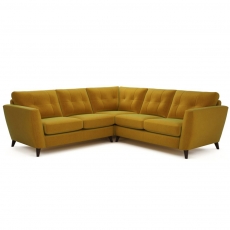
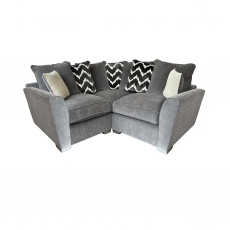

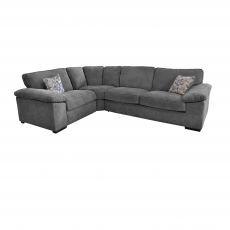
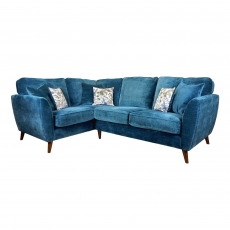
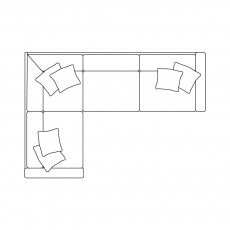
One way to achieve zoning in your broken plan home is by using the back of a corner sofa or an L-shaped sectional to act as a physical "wall." This is particularly effective in defining separate zones within a larger space.
For example, the sofa can create a natural boundary between a dining area and a living area or even a workspace.
This approach allows for clear distinctions between different activities without the need for fixed partitions, maintaining the overall flow and openness of the design while adding structure and a sense of purpose to each zone.
The Open-Back Bookshelf Hack
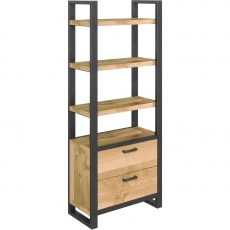
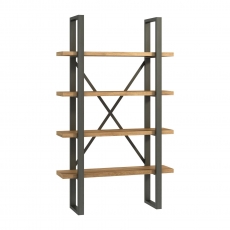
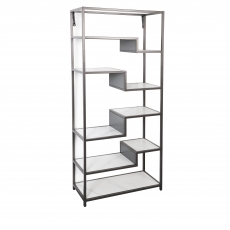
Floor-to-ceiling open shelving is a great way to divide a room without losing its sense of openness and natural light.
Unlike solid walls, open shelves create a visual barrier that adds structure to a space without making it feel small or dark. The open design keeps both sides of the divider feeling bright and airy.
Plus, you can style the shelves with books, plants, and other items to add personality and a decorative touch. This makes it a functional and stylish choice for any modern home.
Read our guide to bookshelf organisation to curate your zoning furniture.
Strategic Rug Placement
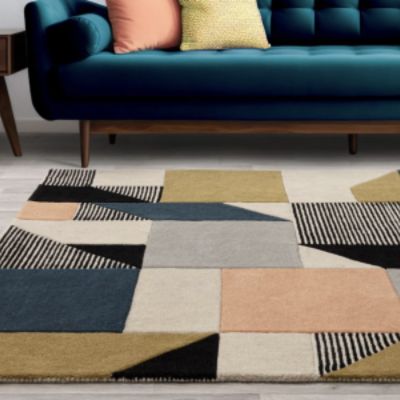
Using different textures and sizes of rugs is an excellent way to anchor distinct zones within a space.
For instance, a plush, high-pile rug can create a cosy and welcoming atmosphere in a lounge area, defining it as a space for relaxation and comfort.
On the other hand, a flat-weave or low-pile rug works better in a dining zone, not only for its practicality in handling spills and easy movement of chairs but also for offering a sleek and structured look.
This approach to visual zoning creates a purposeful layout while maintaining a sense of harmony and style in your home.
Browse our selection of quality rugs online and pop into your nearest Fairway Furniture store to buy your ideal zoning rug.
Statement Sideboards
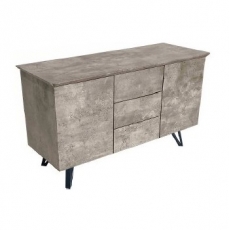
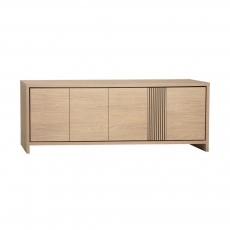
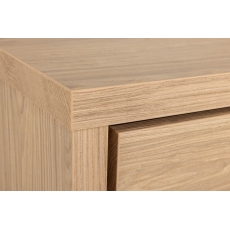
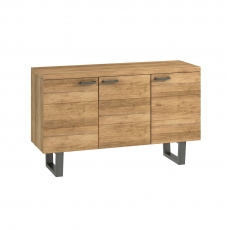
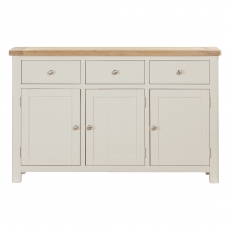
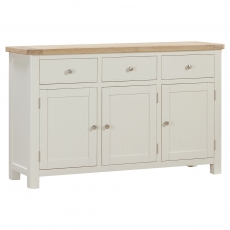

A sideboard can be an excellent choice for defining the transition between a kitchen and living space, serving as both a functional and aesthetic element.
Positioned strategically, it acts as a low-level divider that subtly separates the two zones without obstructing the openness of an open-plan layout.
Beyond its role in zoning, a sideboard provides valuable storage for items such as dining essentials, cookbooks, or decorative pieces, ensuring practicality while enhancing the overall organisation of your home.
Its versatile and stylish design seamlessly bridges the gap between spaces, creating a cohesive yet distinct flow in your interior.
5 Creative Ideas for "Breaking" Your Plan
If you’ve got a bit more budget to play around with or aren’t restricted with structural changes, there are a few other creative ways you can break up your open-plan living space.
1. Internal Glass & Crittall Style
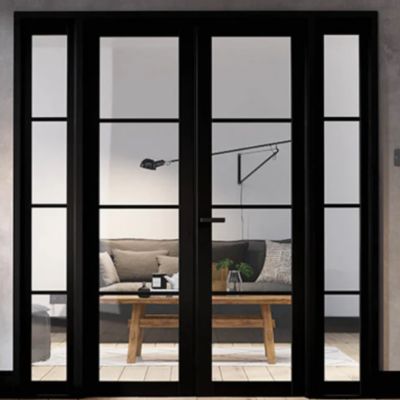
If you’re completely over your open-plan living space and want to reintroduce physical structure but don’t want to lose light, say hello to Crittall-style doors.
These glass doors offer plenty of light while effectively sectioning off different areas in your home and improving soundproofing between spaces.
Best of all, while these doors are a permanent change, they often don’t require significant amounts of structural work for installation.
2. The Level Shift
If you’re ready to fully commit to structural renovations, incorporating level shifts can be a fantastic way to define areas within your open plan layout.
For instance, a sunken living room creates a cosy, intimate setting that naturally separates it from the rest of the space. On the other hand, a raised dining platform can elevate the sense of formality and distinction for meal times.
These architectural features not only help to subtly distinguish between spaces but also add a touch of sophistication and depth to your interior design.
3. Decorative Screens
Vintage-style folding screens are a classic and versatile way to divide open-plan layouts.
They act as stylish statement pieces, adding character to your home while creating separation between different areas.
Folding screens can also improve privacy, making them perfect for creating dressing areas or quiet reading nooks.
They can even help to slightly dampen sound, making your space feel more serene. This makes vintage-style folding screens a practical and beautiful choice for any interior.
4. Half-Walls & Fireplaces
Double-sided wood burners are a smart way to divide two rooms while sharing heat in an open-plan home.
They create a natural separation between spaces without needing walls and serve as a central feature. By radiating warmth in both directions, they keep both areas cosy and comfortable.
The flickering flames add charm and visual appeal, bringing a sense of structure and intimacy while preserving the open feel.
Alternatively, adding a half-wall in your open-plan living/dining/kitchen space can be a simple and permanent way to add some distinction to the area.
5. Colour Delineation
"Colour drenching" is a simple and effective way to define zones in a space while keeping the design open and cohesive.
It involves painting an entire area, including walls, ceilings, and even choosing matching furniture, in one bold colour to set it apart from the rest of the room.
For instance, painting a dark navy "office nook" within a sage green room creates a clear, functional workspace without clutter or confusion.
This method is a practical alternative to structural changes or adding extra furniture, offering flexibility with minimal effort. It’s a stylish way to zone your space while keeping it functional and visually appealing.
Check out the trending living room colours for 2026!
Why Broken-Plan Design is So Popular
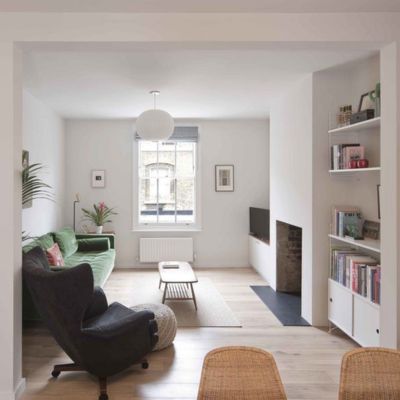
Broken-plan interior design is growing in popularity because it's practical and adaptable for modern life.
- WFH permanence. These layouts help create distinct work zones within a larger room without needing to build full walls. This separation helps keep work and personal life balanced under one roof.
- Energy-efficiency. It creates smaller zones, so you only need to heat the areas you're using, which can lower energy bills in colder months.
- Supports a "together, apart" lifestyle. It allows family members to share a space while still having their own areas for focused work or relaxation.
This mix of flexibility, comfort, and efficiency makes broken-plan interiors a popular choice for today's homeowners.
Measuring for a Zoned Space
When measuring an open-plan room for zoning, it's important to consider both the size of the space and how you plan to use it.
- Start by deciding which zones you want to create, like a living area, dining area, or workspace.
- Use a tape measure to get the room's dimensions, and take note of features like doors, windows, or alcoves that could affect the layout.
Accurate measurements will help you choose furniture that fits well without overcrowding the space.
Our zoning top tip: Furniture is a great way to define zones, but it’s essential to keep the room's flow intact. Leave enough space for pathways. Make sure there’s at least 90cm of clearance in walkways so people can move around comfortably.
Final Thoughts: Finding Your Flow With Broken Plan Design
Broken plan living is a design approach that uses features like partial walls, shelving, or furniture to create distinct zones for different activities within an open-concept layout.
It offers the functionality of separate rooms while maintaining a sense of openness and flow, balancing connectivity with practicality.
Find Your Perfect Broken Plan Furniture With Fairway
At Fairway Furniture, we offer a wide range of stylish open shelving and comfortable sofas that are ideal for transforming your open-plan living space into a cosy, broken-plan home.
Our carefully curated selection allows you to define distinct zones in your living area while maintaining an inviting and functional flow throughout your space.
Browse our full range of quality home furniture online or visit one of our South West stores today to find the perfect pieces for your home
FAQs