





How to Clean and Sanitise a Mattress: The Complete Step-by-Step Guide
If you've ever wondered how to clean and sanitise a mattress, you're not alone. We spend around a third of our lives in bed, yet most of us have never given our mattress a proper clean.
Knowing how to clean and sanitise a mattress properly can make a real difference to your sleep quality, respiratory health, and the lifespan of your mattress.
While we regularly wash our sheets and duvet covers, the mattress underneath quietly collects dead skin cells, body oils, sweat, dust mites, and spills over time.
Whether you want to do a seasonal refresh, tackle a stubborn stain, or deep-clean after an illness, this step-by-step guide covers safe, effective, and affordable methods to keep your mattress fresh and hygienic.
Key Takeaways: How to Clean and Sanitise a Mattress
- 5-Step Deep Clean: Wash bedding at 60°C, vacuum the surface, spread bicarbonate of soda for 4–8 hours to absorb odours, and vacuum thoroughly.
- Stain Spot-Treatment: Dab stains with dedicated solutions—cold water for blood, hydrogen peroxide for sweat, and vinegar with baking soda for urine.
- Natural Sanitising: Disinfect without harsh chemicals using direct UV sunlight or a light spray of diluted tea tree oil.
- Strict Moisture Control: Never saturate mattresses, especially memory foam or pocket springs, to prevent internal mould, sagging, and rusted springs.
- Ongoing Hygiene: Air the bed daily, use a washable mattress protector, and flip or rotate the mattress every 3–6 months.
Mattress Cleaning Essentials: What to Gather
Before starting, gather these common household items:
- Vacuum Cleaner: Equipped with a clean upholstery brush attachment.
- Bicarbonate of Soda (Baking Soda): Nature's finest natural deodoriser and moisture absorber.
- Mild Washing-Up Liquid: For general stain lifting.
- 3% Hydrogen Peroxide: Optional, but ideal for lifting organic stains from white mattress tops.
- Microfibre Cloths: Clean, dry cloths for blotting.
- Spray Bottle & Cold Water: For light misting and spot-treatment solutions.
- Essential Oils (Optional): Lavender, eucalyptus, or tea tree oil for a fresh scent and natural antibacterial properties.
5 Steps to Deep Clean Your Mattress
Plan to deep-clean your mattress every six months (a great time to do this is when turning or rotating your mattress for the new season).
Step 1: Strip and Wash All Bedding
Remove all sheets, pillowcases, duvet covers, and mattress protectors. Wash everything on the hottest fabric-safe cycle recommended on the care labels, ideally 60°C, to effectively eliminate dust mites, bacteria, and allergens.
Step 2: Vacuum Thoroughly
Using the upholstery attachment, vacuum the entire surface of the mattress. Pay extra attention to seams, tufts, piping, and corner crevices where dust, pet hair, and dead skin cells naturally collect. Don't forget to vacuum the sides and the base of your bed frame while you're at it.
Step 3: Deodorise with Bicarbonate of Soda
Sift a generous, even layer of bicarbonate of soda over the entire top surface of the mattress.
For an extra refreshing touch, mix 5 to 10 drops of lavender or eucalyptus essential oil into the baking soda before sprinkling. Bicarbonate of soda neutralises lingering odours by drawing out trapped moisture and oils.
Step 4: Let It Sit (4 to 8 Hours)
Allow the bicarbonate of soda to work its magic for at least 4 hours (though 8 hours or longer is ideal). Open the bedroom windows to increase airflow, or allow direct sunlight to hit the mattress if your bed is near a window. Sunlight provides natural ultraviolet rays that help kill bacteria.
Step 5: Vacuum a Second Time
Once the waiting period is over, vacuum the mattress thoroughly once more to remove all the powder, along with the absorbed odours and moisture.
How to Remove Common Mattress Stains
The golden rule of mattress stain removal is simple: never saturate your mattress.
Moisture that penetrates deep into internal fillings cannot dry easily and can cause internal mould, mildew, or rusted springs. Always apply cleaning solutions to a cloth first and blot rather than rub.
| Stain Type | Cleaning Solution | How to Apply |
|---|---|---|
| Sweat & Yellowing | Mix 200ml hydrogen peroxide, 3 tbsp bicarbonate of soda, and 2 drops of washing-up liquid. | Lightly mist onto the discoloured area. Let it sit for 15 minutes, then dab gently with a damp cloth and allow it to air dry fully. |
| Blood Stains | Cold water + mild washing-up liquid (or 3% hydrogen peroxide for tough spots). | Never use warm water, as heat sets blood proteins. Dab the stain with a cold, damp cloth from the outside edge inward to prevent spreading. |
| Urine / Pet Accidents | 50/50 mix of white vinegar and cold water, followed by bicarbonate of soda. | Blot up excess liquid immediately. Spray the vinegar solution lightly to neutralise ammonia. Cover thickly with baking soda, let dry completely into a crust, then vacuum away. |
| Spilt Drinks (Tea/Coffee) | Equal parts mild dish soap and lukewarm water. | Dip a microfibre cloth into soapy foam (avoid excess water) and dab the area repeatedly until the pigment lifts. |
How to Naturally Sanitise Your Mattress Without Harsh Chemicals
Avoid spraying aggressive chemical disinfectants or bleach directly onto bedding; these can break down fabric fibres and leave harsh chemical residues you breathe in while sleeping. Instead, rely on these safer alternatives:
- Natural UV Light: If space and weather permit, exposing your bare mattress to direct sunlight and fresh air for a few hours is one of the most effective natural antibacterial treatments available.
- Antibacterial Tea Tree Spray: Add 10–12 drops of 100% pure tea tree oil (a natural antifungal and antibacterial agent) to 250ml of water in a fine-mist spray bottle. Lightly mist over the mattress from 30cm away and let it dry completely before remaking the bed.
- A Word on Steam Cleaning: While steam sanitises effectively, use extreme caution. Excess steam introduces deep moisture into memory foam and natural wool layers that take days to dry. If you use a steamer, keep it moving quickly and ensure the mattress dries completely in a well-ventilated room.
Cleaning Rules for Different Mattress Types
Different mattress materials require distinct care approaches to prevent permanent structural damage:
Memory Foam & Hybrid Mattresses
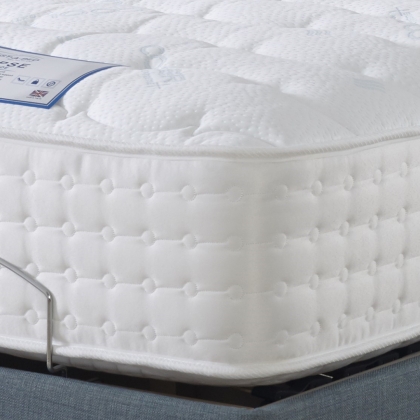
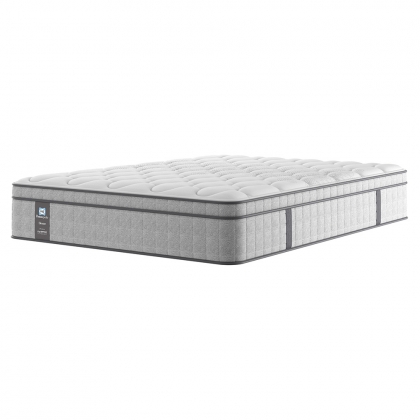
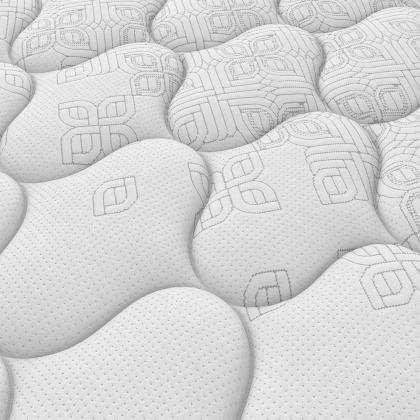
- Strict Moisture Control: Memory foam acts like a sponge. Never soak foam layers or use harsh liquid spot-cleaners, as liquid breaks down the foam cell structure and causes sagging.
- No Heat: Avoid high-heat steam cleaning, which can melt or warp heat-sensitive memory foam layers.
Pocket Sprung & Natural Fillings (Wool, Cotton, Silk)
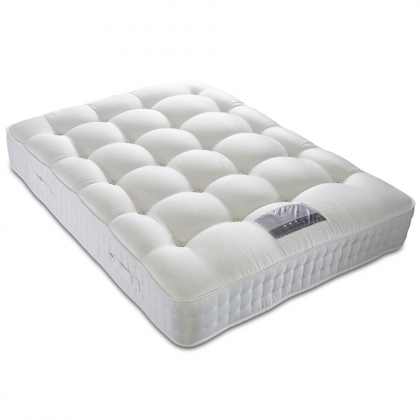

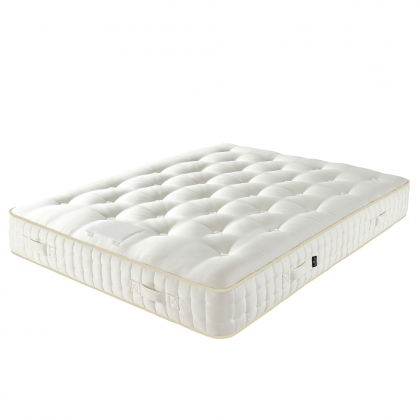
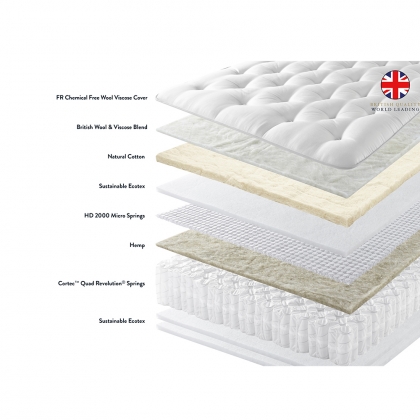
- Gentle Spot-Cleaning: Natural fibres are highly absorbent and prone to felting if rubbed vigorously when wet. Always use cold or lukewarm water and dab gently.
- Keep Springs Dry: Excess water sinking into a pocket-sprung mattress can cause internal steel springs to rust and squeak.
How to Keep Your Mattress Clean Year-Round
The simplest way to maintain a hygienic sleeping environment is through preventative care:
- Use a Washable Mattress Protector: A high-quality, breathable, waterproof mattress protector acts as a barrier against sweat, dead skin, spills, and dust mites. Simply remove and wash it every 2 to 4 weeks.
- Rotate and Flip Regularly: Turn or rotate your mattress every 3 to 6 months to distribute body weight evenly, prevent body impressions, and allow trapped moisture beneath the mattress to air out.
- Air Your Bed Daily: Resist the urge to make your bed immediately upon waking! Pull back the duvet for 30–60 minutes each morning to allow overnight body heat and moisture to evaporate.
Is It Time for a Fresh Start?
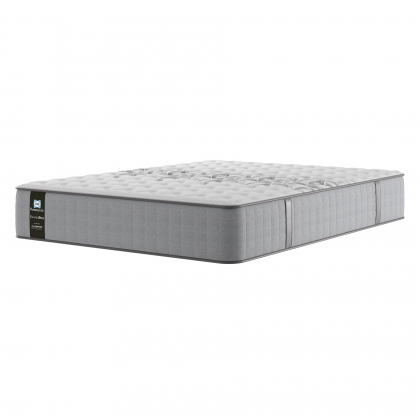
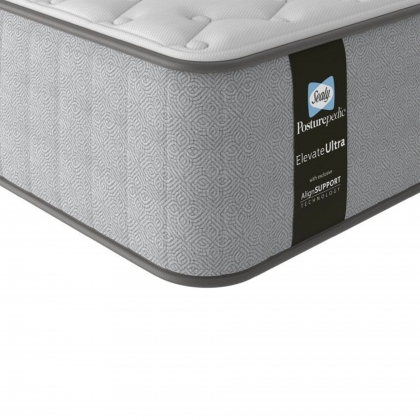

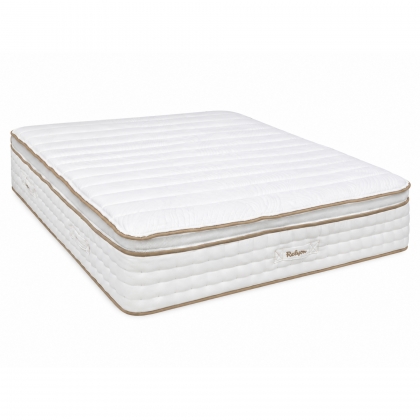
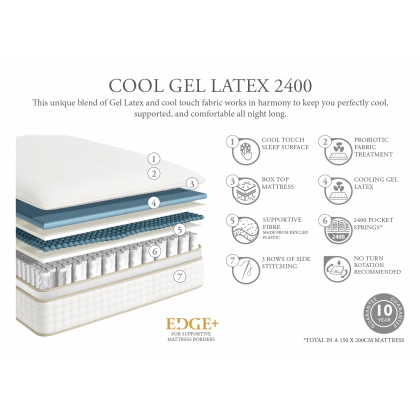
Even with meticulous care, mattresses eventually reach the end of their lifespan. If your mattress is over 7 to 8 years old, shows visible sagging, causes you to wake up with aches and pains, or retains persistent odours despite deep cleaning, it may be time for a replacement.
Find Your Ideal New Mattress At Fairway Furniture
At Fairway Furniture, we stock an extensive range of mattresses to suit every need and preference, from compact singles to spacious superking sizes.
Whether you’re looking for pocket-sprung support, memory foam comfort, or hybrid designs that combine the best of both worlds, we have options to help you enjoy your best night's sleep. With varying firmness levels and specialist construction features, finding your perfect match has never been easier.
Browse our full collection online today or visit one of our South West stores to try them out for yourself!
FAQs