





How to Design a Productive Home Office in a Shared Living Space
The rise of hybrid work has turned our living rooms into boardrooms. But how do you have a productive home office in a shared living space without it bleeding into your relaxation space?
Before you start worrying about building partition walls or an entire extension, there are some simple things you can do to keep your work and home life balance intact with smart furniture choices and some clever positioning.
Shared Space Home Offices At A Glance:
- Create clear boundaries in a shared room by using zoning techniques such as open shelving, rugs, or placing desks in corners or alcoves to visually separate work and living areas.
- Choose multi-functional or “chameleon” furniture like console tables, dressing tables, or fold-away desks so your workspace blends into the room when not in use.
- Improve comfort and productivity with soft furnishings and smart desk layouts, such as side-by-side or back-to-back setups that balance collaboration and personal space.
- Use good lighting and organised cable management to reduce eye strain, improve video call quality, and keep the workspace tidy.
- Maintain work–life balance by packing away laptops and paperwork at the end of the day, using storage furniture to reclaim your living space.
1: Strategic Zoning: Defining the Boundaries
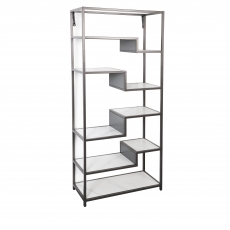
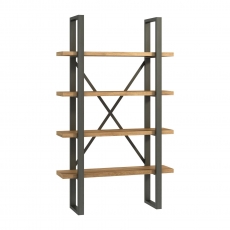
To make a home office work in a shared space, you need clear boundaries. A great way to do this is by using a tall, open bookcase, like the Fusion Open Shelf Unit, as a room divider. This separates your office without closing off the room or blocking natural light.
You can also place a rug under your desk. This simple trick visually separates your work zone from your living space, creating a mental cue that helps you switch between work and relaxation.
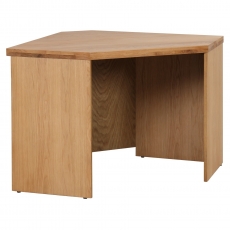
Finally, don't ignore awkward corners or alcoves. These "dead" spots can become great workstations with the right compact or L-shaped desk. Using these areas effectively keeps your shared space open and tidy.
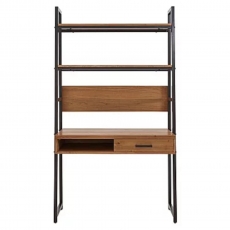
Our Top Zoning Furniture Recommendations:
2: Choosing "Chameleon" Furniture
Choosing "chameleon" furniture is a smart way to maintain the aesthetic of your living room or bedroom without it resembling a corporate office.
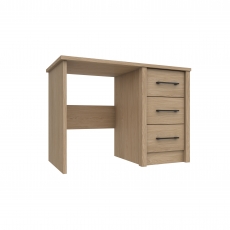
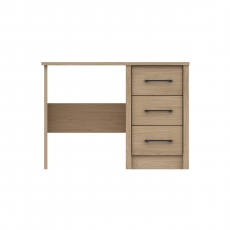
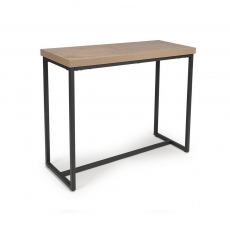
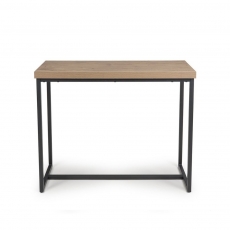
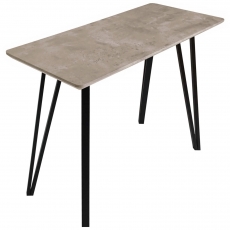
Versatile pieces like console tables or dressing tables serve dual purposes; they provide a stylish surface for work during the day while seamlessly blending into your home's decor when your laptop is packed away after hours.
Upholstered chairs are another excellent option, offering the comfort you need for long work sessions without sacrificing the cosy look of your living room.
For ultra-tight shared spaces, consider wall-mounted or fold-away desks that can be effortlessly tucked away when not in use, ensuring your home remains functional without compromising on style.
The Best Furniture To Blend In:
3: Shared Space Etiquette & Productivity
When you share a home office, a well-planned space is key to keeping everyone comfortable and productive.
Deciding whether to place desks side-by-side or back-to-back can make a big difference. You'll need to consider your space and work styles to find the right fit.
- Side-by-side works best for collaborative tasks, but it might feel cramped when you need to focus.
- Back-to-back setups offer more privacy and personal space, making it easier to concentrate on individual work.
Soft furnishings like rugs, curtains, and upholstered furniture also help create a better workspace. They absorb sound, which improves acoustics and reduces echo during video calls. You can also add throw pillows or sound-dampening panels to create a quieter, more comfortable environment.
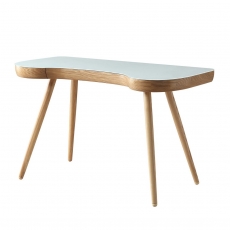
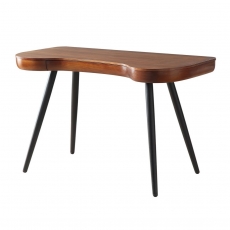
Finally, managing cables is essential for a tidy, functional office. Use cable trays, clips, or sleeves to keep cords organised and out of sight. Desks with built-in charging ports, like the Jupiter Smart Office Desk, are also a great option to reduce wire clutter.
Our Recommendations For Shared Space Furniture:
4: Lighting Your Dual-Purpose Room
Good lighting is key to a productive workspace. It helps reduce eye strain and keeps you focused, even if your office is just a corner of your living room.
Natural light is best for boosting your mood and energy, so try to set up your desk near a window.
If that's not possible, use a mix of overhead light and a desk lamp to keep your space well-lit. The right lighting makes your workspace more inviting and helps you stay motivated.
What Lighting is Best for Long Working Hours?
For long working hours, the right artificial lighting can make all the difference in maintaining focus and preventing fatigue.
- LED lighting is a popular choice for offices because it’s energy-efficient and long-lasting. It offers bright light that feels like natural daylight, which can reduce eye strain and help you stay alert. You can also adjust the brightness and colour of LED bulbs. One downside is that poor-quality LEDs can emit high levels of blue light that might disrupt your sleep if used late at night, so it's best to invest in high-quality bulbs.
- Fluorescent lighting is common in offices because it’s affordable and bright enough for large spaces. However, the flickering of older fluorescent lights can sometimes cause headaches. Modern, flicker-free options are better, but they don't offer the same warmth or customisation as other lighting types.
- A mix of task lighting and softer overhead lights can create a more focused and comfortable atmosphere. Aim for a warm white or neutral colour temperature (around 4000–5000 Kelvin) to create a balanced environment.
Always prioritise lighting that reduces eye strain, enhances visibility, and keeps you energised throughout your day.
5: The 5 PM Ritual: Reclaiming Your Home
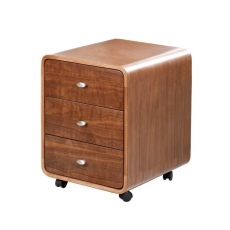
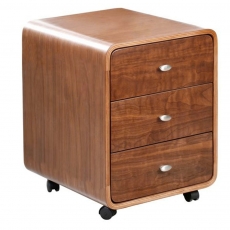
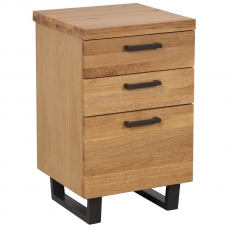
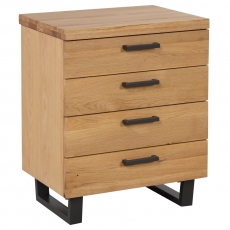
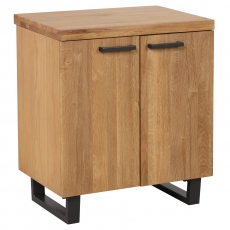
Using storage ottomans or sideboards is the perfect way to stow away laptops, paperwork, or any other work-related items at the end of the day.
By neatly tucking away these reminders of work, you can fully relax and spend quality time with your family without the visual clutter of your workspace lingering in sight.
Not only does this keep your limited space tidy and organised, but it also helps your brain transition more effectively from work mode to home mode.
Creating this physical separation between work and home life is a simple yet impactful step towards reclaiming your space and improving your overall well-being.
Our Top Storage Furniture Recommendations:
Conclusion: Make Working From Home Work For Your Space
You don’t need a dedicated spare room to create an efficient and comfortable home office. With the right furniture strategy, you can maximise your existing space to suit both your work and personal needs.
Prioritise multifunctional pieces, clever storage solutions, and furniture that seamlessly blends into your home. This not only saves space but also ensures your work area supports productivity without disrupting your overall living environment.
Create A Productive WFH Space With Fairway Furniture
At Fairway Furniture, we stock a wide range of home office furniture that's perfect for small or multi-use spaces, both online and in our South West stores.
Discover how you can transform your shared living space into an efficient and stylish workspace.
Explore our range of versatile home office furniture online or visit one of our stores today to find the perfect pieces for your home
FAQs