

Product Search

Call us now on 01752 408941

free delivery on all orders over £500

Furniture Care Guides
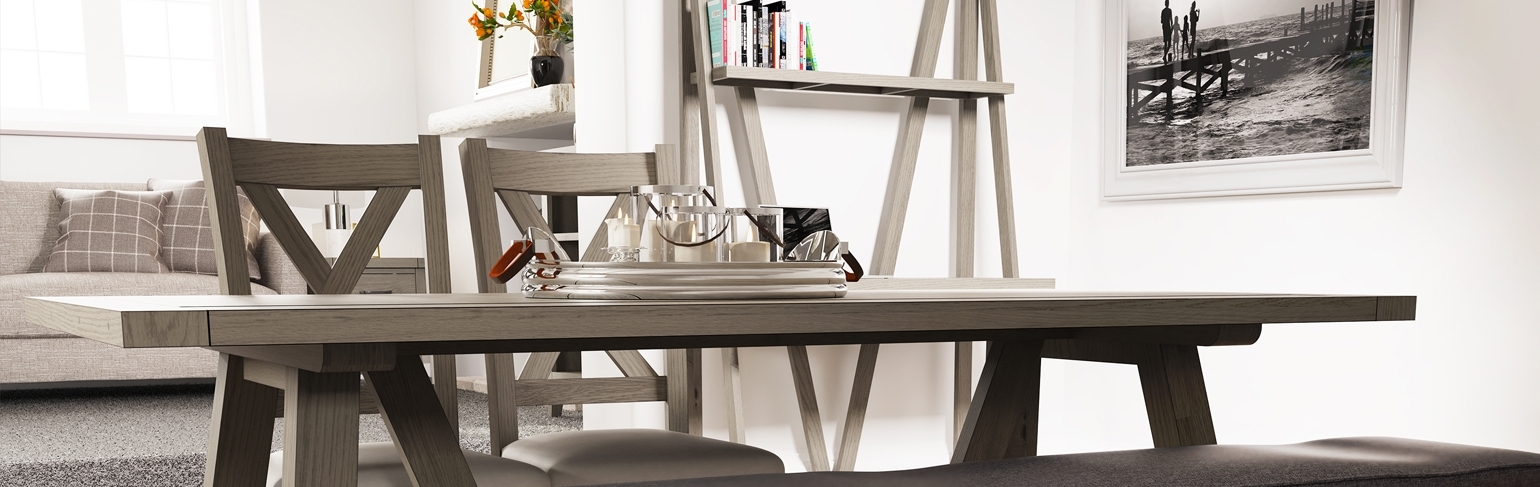
When you’ve spent time deciding on your new furniture, bed or floorcoverings, it Is only natural that you’ll want to make sure your investment is looked after.

At Fairway Furniture, we appreciate that our customers have invested in their furniture and want to make sure it lasts many years.

By following the simple guidelines below (which are also in the customer information folder issued when making a purchase) you can be sure that you’re giving your furniture the best possible opportunity to repay your investment.

  • Bed Care Guides
  • Cabinet Furniture Care Guides
  • Upholstery Care Guides
  • Floorcovering Care Guides

BED Care Guides

Care of Your New Bed

  • Remove the polythene cover from the mattress and base, otherwise condensation created during sleeping will lead to a damp bed, mildew and potential rotting.
  • Turn the mattress over (when not designed for single sided use) and reverse head to foot every week for the first month and then at three monthly intervals. This helps the fillings to settle evenly.
  • Check headboard fitting and legs or castors regularly to ensure they are tight and secure.
  • Every few months brush your mattress and base with a soft brush to remove dust and fluff.
  • Do not use a vacuum cleaner, which can disturb fillings.
  • It is inevitable that the mattress fillings will become compressed where the sleeper's weight is concentrated, creating a visible indentation. This tends to be more pronounced in better quality beds using more generous fillings. This is not a manufacturing fault and can be minimised by turning the mattress regularly.
  • Modern CMHR foams and other upholstery products used in the manufacture of your bed can produce a slight odour initially; this is a character of newness and will fade over time.

CABINET FURNITURE Care Guides

Care of Cabinet Furniture

  • Modern cabinet furniture is protected by a tough finish that simply needs dusting. Finger marks and smears can be removed by using a damp cloth with warm soapy water. Be sure to dry with a soft cloth immediately.
  • Also available today are ranges of wood furniture with oiled, waxed or lacquered finish. Many have a rustic, distressed type of finish and are designed to reflect old country style furniture or the ethnic style of the country of origin. There is therefore a wider tolerance in both manufacture and finish.
  • All real wood finishes will mellow over time and exposure to light. Lighter coloured woods such as teak or pine obtain a richer, deeper colour.
  • Wood effect finishes may be cleaned by dusting with a lint free soft cloth. A damp cloth should be used to remove any spillages or contamination immediately. It is important to avoid wetting, as this can affect the finish.
  • Avoid allowing cabinet furniture to come into contact with aggressive products such as solvents, spirits, acidic materials or cream cleaners, especially those containing silicone, as damage to the finish may result.
  • In the case of accidental contamination, remove the offending material / liquid immediately with a soft dry cloth, followed by cleaning with a warm soapy damp cloth and drying with a soft cloth.
  • Oiled oak finishes must be regularly re-oiled to maintain appearance and stability. This should be done using a suitable natural vegetable finishing oil, available from all Fairway Furniture stores.
  • Cabinet furniture may be fitted with castors. These are normally for transportation purposes, so follow the manufacturer's recommendation to remove as this will enhance the look and stability of the product.

UPHOLSTERY Care Guides

Care of Your Upholstery

  • Accumulated dust accelerates wear and dulls colour, so vacuum clean your upholstery once a week.
  • Most furniture is in constant use. To prevent excessive soiling and wear, cushions should be turned daily, switching positions where possible.
  • Modern, soft casual designs require a regular dressing programme, which involves “plumping up” all seat, back and arm cushions on a daily basis.
  • Protect upholstery from long periods of direct sunlight as this may result in the fabric fading or even rotting.
  • All Velvets and Chenilles will shade, crease and show pressure marks through use. This change in appearance is a characteristic of these fabrics and does not indicate a manufacturing fault. Regular soft brushing will minimise the effects of shading.
  • Leather upholstery has real character and is relatively easy to maintain. However, leather is a natural product made from animal skins. These skins are not uniform in either texture or finish. Leather upholstery can display various marks and scars. These are unique natural characteristics of leather and distinguish leather from man made substitutes such as vinyl.
  • Leather Upholstery is produced with a variety of different finishes. Aniline and Semi-Aniline leathers mark more easily and will absorb fluids, including natural oils. All leather will stretch with use and show natural creasing.
  • Light coloured upholstery can be susceptible to ‘Dye Transfer’. Avoid wearing clothing which is not colourfast when using your upholstery, For example, denim garments are very often not colourfast. Soiling from non-colourfast fabrics can be difficult to remove completely.
  • Modern CMHR foams used in upholstery products will soften with use and can also produce a slight odour initially; this is a character of newness and will fade over time.
  • Upholstery Cleaning
  • If your upholstery has removable dry cleaning covers, send the covers to a reputable firm of dry cleaners, ensuring that they are aware of any instruction labels sewn into the cover. It is almost inevitable that, following dry cleaning, there will be a slight apparent colour variation between the removable and fixed sections of upholstery.
  • Where covers are not removable for dry cleaning you should seek specialist advice. Please ask instore for details of recommended local cleaning specialists. We recommend the application of Fabric Protection which will facilitate the removal of accidental stains and provide a five-year warranty. Please ask in Store for further details.
  • When dealing with spot stains be sure to try cleaning agents on an inconspicuous area to test reaction. Acrylic velvets, such as "Dralon" can be sponged lightly with warm water. Be sure not to over wet. Wet rubbing of fabrics may affect colourfastness and should be avoided. Blotting rather than rubbing will help to avoid damage to the fabric pile.
  • Most leather upholstery should be cleaned using a mild, warm solution of a pure soaping agent. Repeat the process with clean warm water and dry with a soft cloth.
  • Where covers are removable for Machine Washing, follow the manufacturer’s instructions carefully. As a general rule covers should be washed at a maximum of 40 degrees centigrade, should be turned inside out, washed separately from other fabrics and not allowed to soak. Use Pure Soap products such as Dreft or Lux; do not use modern washing powders, as they contain whitening agents. Do not use bleach; do not tumble dry and only iron gently whilst damp. Avoid over washing - covers will fade and shrink slightly with each wash. Some scatter cushions are 'Dry Clean Only' so check the cleaning instructions separately.

FLOORCOVERING Care Guides

Carpet Fitting

  • Our carpet and floor covering fitting service is provided and costed on the basis that the area to be carpeted is empty and free from obstruction. We reserve the right to make an extra charge if additional preparation work is required.
  • We cannot accept any liability for damage to, or resulting from, concealed pipe work or electric cables, unless the position of such pipe work or cables is notified to us in writing at least 24 hours prior to the time of installation.

Carpet Care

  • Avoid vigorous brushing or excessive vacuum cleaning when carpets are new. Some carpets have a tendency to show fluff. This is quite normal and will not affect wear.
  • Light and dark patches can be caused by disturbance of the pile during use. This is a characteristic of pile carpets, is more noticeable in plain colours, does not affect wear and cannot be considered a manufacturing fault.
  • Some pile carpets may display a few tufts standing above the pile. Simply use sharp scissors to trim them level. DO NOT pull them out.
  • Do not use a vacuum cleaner with a beater bar attachment on a loop pile carpet. Use a suction type vacuum cleaner only.
  • General cleaning is best carried out by a specialist. Please ask instore for details of recommended local cleaning specialists.